It’s come to our attention that some of our lingo is at odds with our whole goal with Wargames & Whisky: bringing people together and welcoming new players into the fold. Any storied tradition is bound to have a history of jargon and in-jokes, and wargaming is no different. To that end, Wargames and Whisky presents our very own Lexicon of terms and jargon to welcome the wargame-curious.
Popular Game Structures
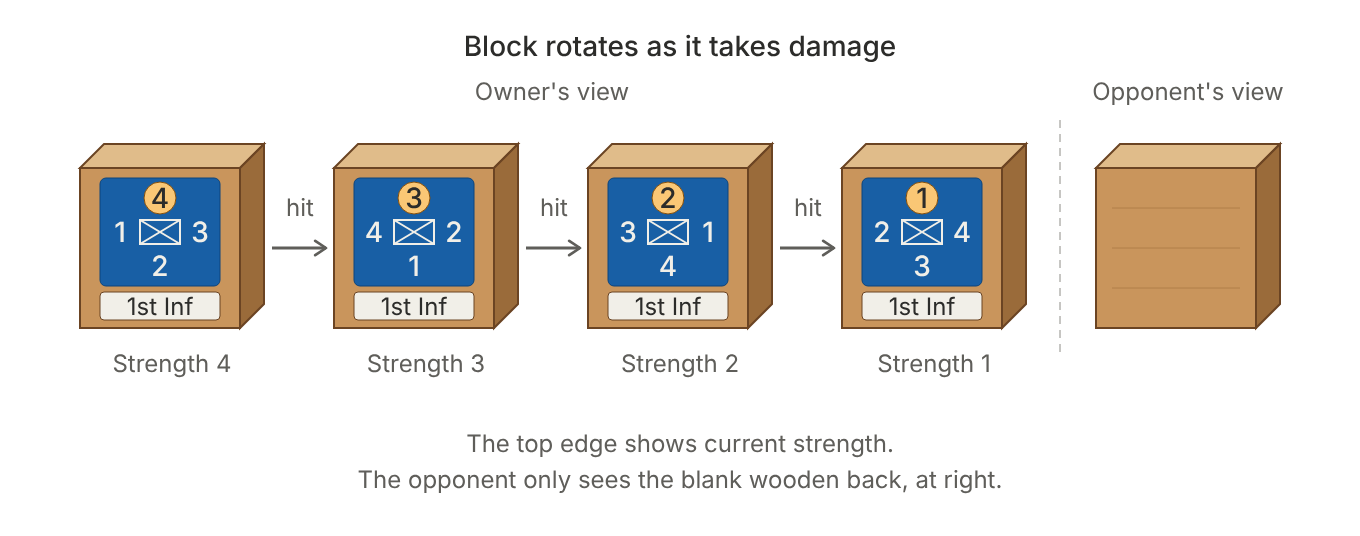
Block Game: Units are wooden blocks with hidden strength, so opponents can’t see what they’re facing. This models the fog of war.
CDG (Card-Driven Game): A game where cards with multiple uses are the driver of a player's actions. Usually a CDG has cards that allow a player to perform an Event (basically, what the card says it does) or use it an Operations Value (“Ops”) that acts as a resource that a player can spend to take basic game actions.
COIN: Games about counterinsurgency (COIN), with players each having different conflicting goals and very asymmetric rules for each player - sometimes to the point of feeling like players are (almost literally) all playing a different game.
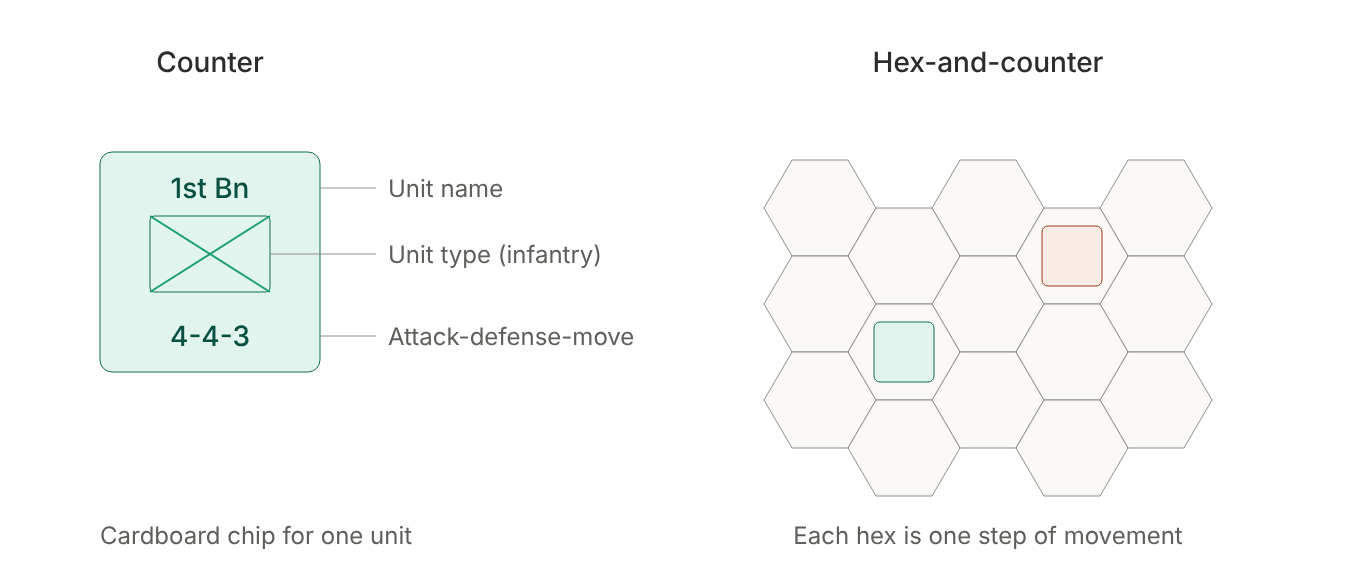
Hex-and-Counter: The classic wargame format, with a map overlaid by a hexagonal grid (hexes) that regulates movement and range. Game pieces are overwhelmingly cardboard tokens representing military units.
Point-to-Point / Area movement: Alternative to hexagonal grid. Units move along connected nodes or between adjacent areas of the board instead.
Specific Game Mechanics
Alternating Activations: Players take one action, followed by the next player taking one action. A common alternative to I Go, then You Go (IGO-UGO).
Chit-pull: Activations are drawn at random from a cup, which adds uncertainty about who moves next.
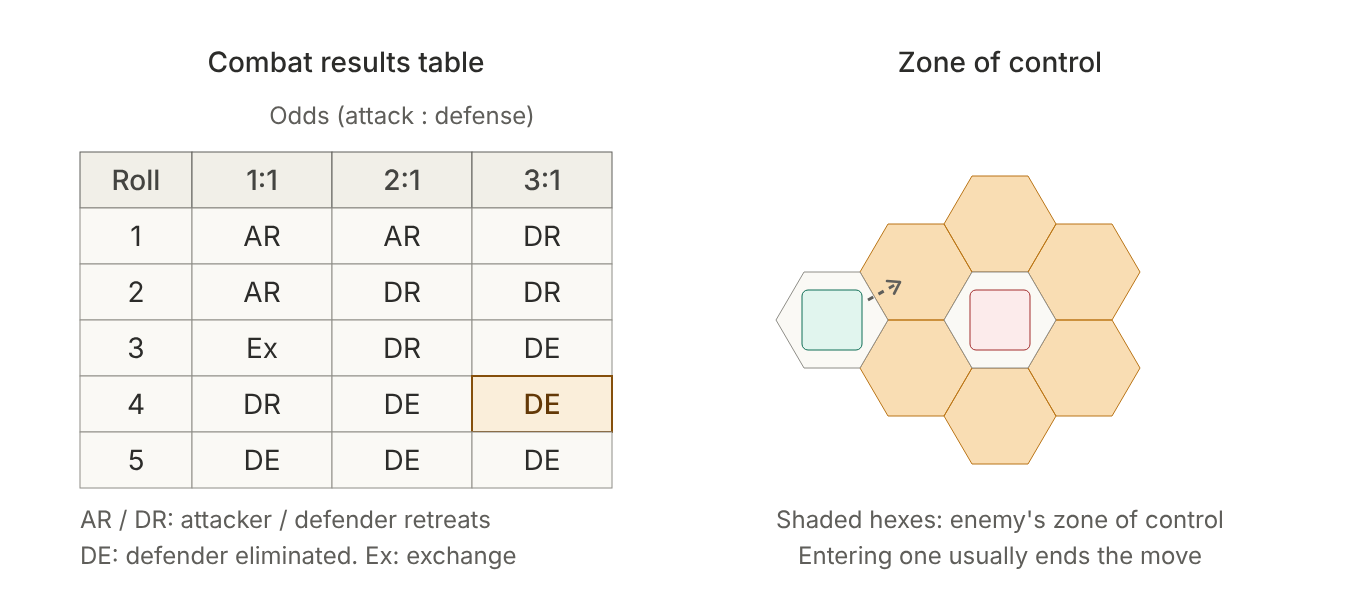
CRT (Combat Results Table): A chart you consult after rolling dice to see what happens in a fight. Combat is often resolved by comparing attacker and defender strengths as a reduced ratio, such as a comparable combat strength of 12-4 becoming 3-to-1 on the CRT. Many times, games will feature terrain, experience, or even weather conditions that could “column shift” a CRT to the next highest or lowest ratio as a modifier.
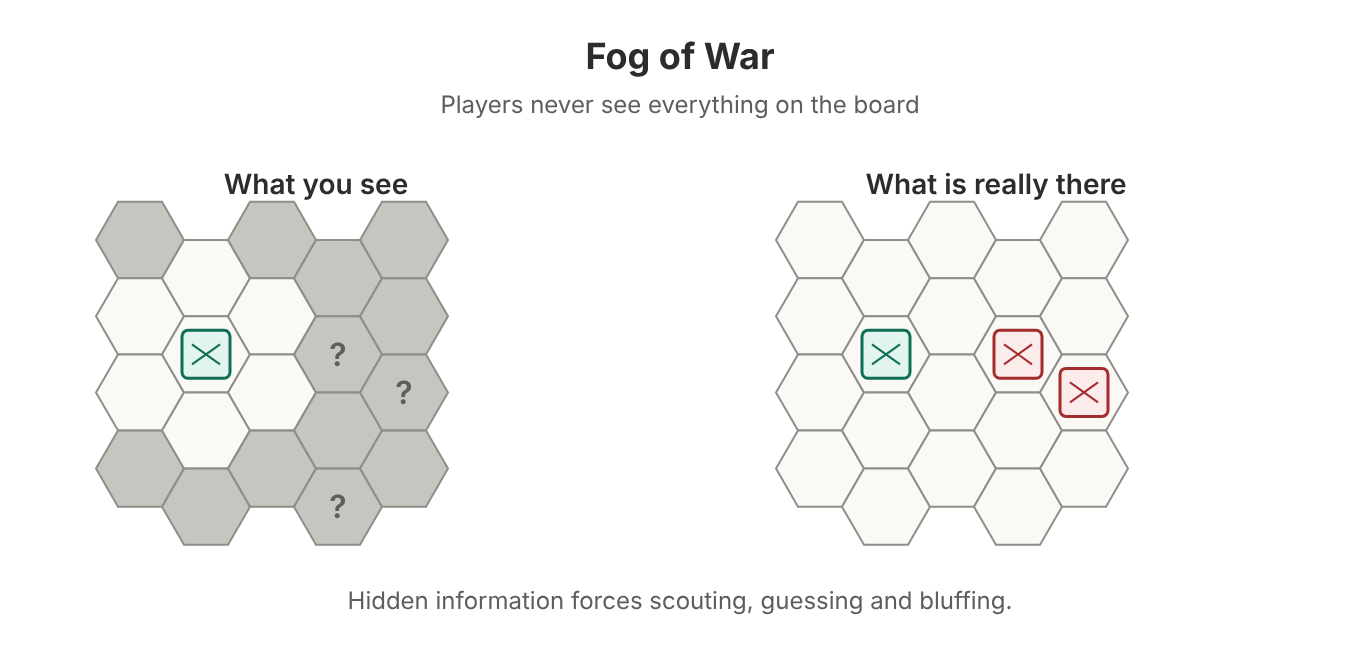
Fog of war: Hidden or uncertain information. Games model this in different ways, ranging from uncertain turn order to Stratego-esque pieces where players can’t see important information about their opponents game pieces.
Stacking: How many units/player’s pieces can occupy one hex or area of the board.
Supply: Units must trace a line back to a supply source, usually a starting location or other designated area on the board, or suffer penalties. For certain design philosophies, Supply considerations are the game.
ZOC (Zone of Control): The hexes around a unit that restrict or stop enemy movement. It models how armies can’t just walk past each other.
Design Philosophy
Asymmetric: Sides play differently, with different rules, player powers, goals, or capabilities.
IGO-UGO: I Go, then You Go: One player takes a full turn with all their pieces, then the other does.
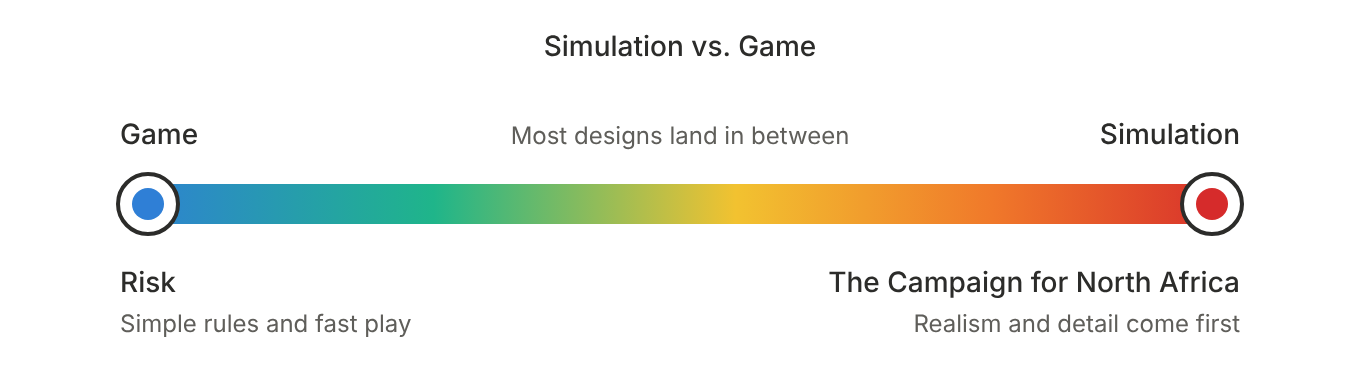
Simulation vs. Game: How much a game design prioritizes historical realism (Simulation) versus playability and balanced, sometimes ahistorical outcomes (Game).
Hobby jargon
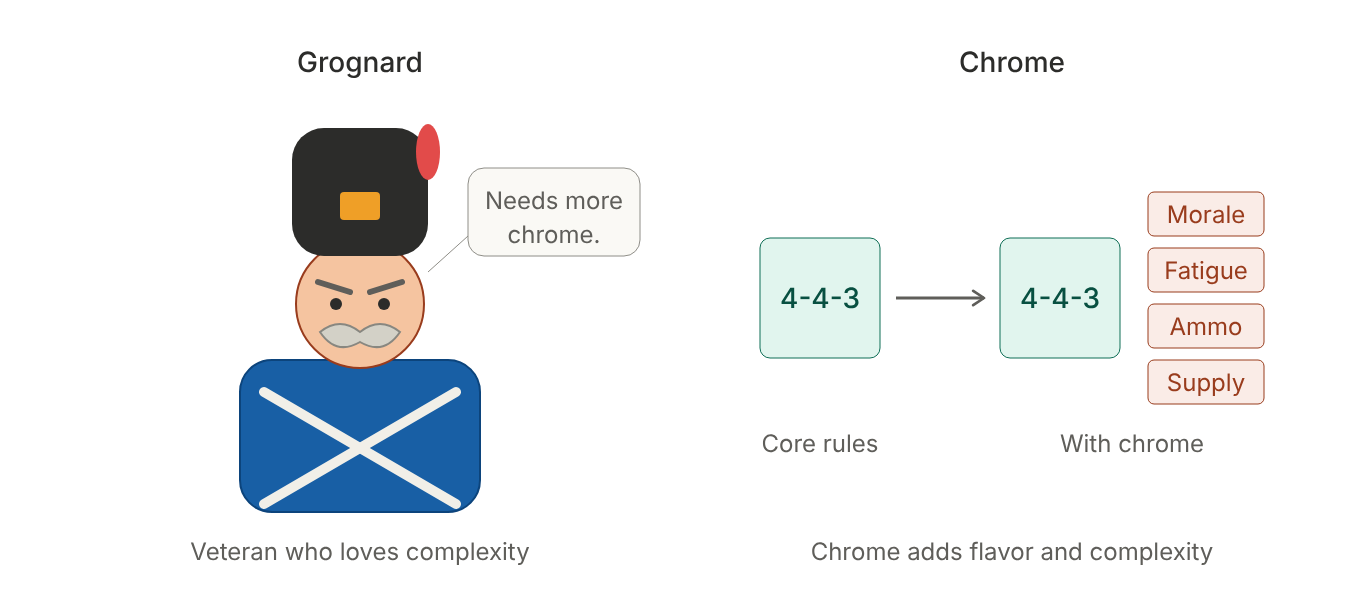
Chrome: Extra detail that adds flavor and historical texture or insight, but also complexity.
Counter: A player’s piece that’s a cardboard chip/chit, usually representing a military unit, specific personality/leader, or some other game-status reminder. Wargamers like to say “counters” rather than “tokens” or “pieces.”
Doomstack: A large intimidating stack of counters on a single hex or space on the board, to the extent that the details of what that stack includes is almost secondary.
Errata / Living Rules: Official updates and corrections to a game’s rules published after the game’s release.
Fiddly: Rules or procedures that take a lot of bookkeeping for little payoff.
Grognard: A tongue-in-cheek term for a curmudgeonly war gamer who prizes depth of simulation and the “realism” of a game, versus playability. The term itself refers to an “old soldier” of Napoleon’s original Imperial Guard.
Order of battle (OOB): The list of which units, and how many, each side starts with.
Rules lawyering: Arguing over the exact wording or interpretation of the rules as written.